The NI-ADAPT Training Programme

NI-ADAPT is a four-year Integrated PhD with Placement, jointly run by Queen’s University Belfast (QUB) and Ulster University (UU) funded by the MRC. As an NI-ADAPT student you will undertake a research project that links underpinning disease mechanisms with cutting edge pharmaceutical interventions, designed to maximise patient benefit.

Novel research sits at the heart of your PhD, and supporting it we’ve built a bespoke training programme upskilling each researcher so that you can confidently transition between the lab, clinical environments and industry.

Researcher holding a flask in a laboratory

Year 1. Foundations

Your first year is about settling in, getting to know your cohort, and building a strong foundation for success as you begin to explore your research theme.

You will begin with a cohort-wide, in-person induction, bringing together NI-Adapt PhD students irrespective of your home institution. This will be complemented by local inductions at QUB and UU, providing opportunities to connect with fellow PhD researchers, academic staff, and professional support teams within your home institution.

Induction

Induction will cover:

  • The nature of a research degree and what distinguishes doctoral study
  • University regulations, policies, and systems, including key administrative processes and resources.
  • Your PhD journey and timeline, from project planning and annual reviews through to thesis submission and examination.
  • Research ethics and integrity, ensuring responsible and ethical conduct of research.
  • Working with your supervisory team, including roles, responsibilities, and mutual expectations.
  • Developing your research plan, setting goals and identifying key milestones for your first year.
  • Researcher development opportunities, including training, workshops, and professional skills programmes.
  • Student support services, covering academic, wellbeing, and pastoral support available throughout your doctorate.
  • Equality, Diversity and Inclusion (EDI) and fostering an inclusive research environment that values diverse perspectives and experiences.
  • Interactive discussions on expectations, helping you reflect on what to expect from the programme and what is expected of you as a doctoral researcher.
  • Insights from current PhD researchers, who will share their experiences and advice for navigating doctoral study successfully.
Two Thematic Mini Projects (TMPs)

Rather than jumping straight into a three-year project, NI-ADAPT students will have the opportunity to complete two TMPs based on the two proposals you applied to within your research theme of interest. TMPs will help you to develop your research skills, collect early data, ground your research expectations, and check that you and your supervisors are a good fit. Each mini-project will conclude with a short report and a presentation, contributing to your end-of-year progress review.

Core training

All NI-ADAPT students will complete Year-1 training in Research Integrity, Ethics & Statistics, AI in Biomedical & Pharmaceutical Research and Thematic Core Principles, designed to outline foundations for key biological, clinical and practical challenges in your research area.

Years 2 and 3

This is where your PhD project really takes off. Students will be based in research labs at QUB or UU, learning the specialist techniques your project needs, and gaining confidence as you grow towards becoming an independent scientist. Cohort training and activities will continue alongside your research project.

In Year 2

Students will take Disease Focused training, which will connect the biology of disease with the pharmaceutical science behind new treatments. You’ll also build your skills in AI for Health.

In Year 3

The QUBIS innovation team will deliver Enterprise Essentials training, covering innovation, intellectual property and research commercialisation. Additionally, students will complete Quality Assurance & Regulatory training, delivered by the Future Medicines Institute (FMI) with industry partners, ensuring you understand how your research might move towards the clinic.

Year 4 Completion and Transition

Your final year is about finishing strong, on-time and planning what comes next. Students will receive training in thesis writing and science communication, plus preparation for your viva (the oral exam at the end of your PhD). You’ll have regular supervisory meetings to ensure your completion remains on schedule.

We’ll also help you plan your next steps with transition training covering career planning, job applications and getting ready for postdoctoral roles. On a case-by-case basis, and with a focus on maximising impact, students can apply to the flexible fund to support successful career transitions. Some examples might include roles in regulatory science, technology transfer, patent law, medical science liaison, science communication or policy.

Across all four years

Personalised Skills Training (Years 1 to 4)

Alongside your cohort training, you will have opportunities to undertake additional training tailored to your individual development needs, research interests and career aspirations. Working with your supervisory team, you will identify the skills you wish to develop and agree on appropriate training opportunities, revisiting these at each annual progress review.

NI-ADAPT students will be able to draw on researcher development opportunities offered by both universities:

  • Thomas J. Moran Graduate School (Queen's University Belfast): Workshops and online courses covering areas such as research writing, research methods, project management, teaching and career planning. Students will also have access to a dedicated researcher hub, providing information and resources to help them engage with Graduate School opportunities.
  • Ulster University Doctoral College: The Researcher Development Programme (RDP) at Ulster University offers a comprehensive, and high-quality programme aimed at supporting the professional and personal development of our Postgraduate Researchers.

As NI-ADAPT is jointly delivered between QUB and UU, students will be expected to travel between university campuses to participate in scheduled cohort training and programme activities.

Student Voice

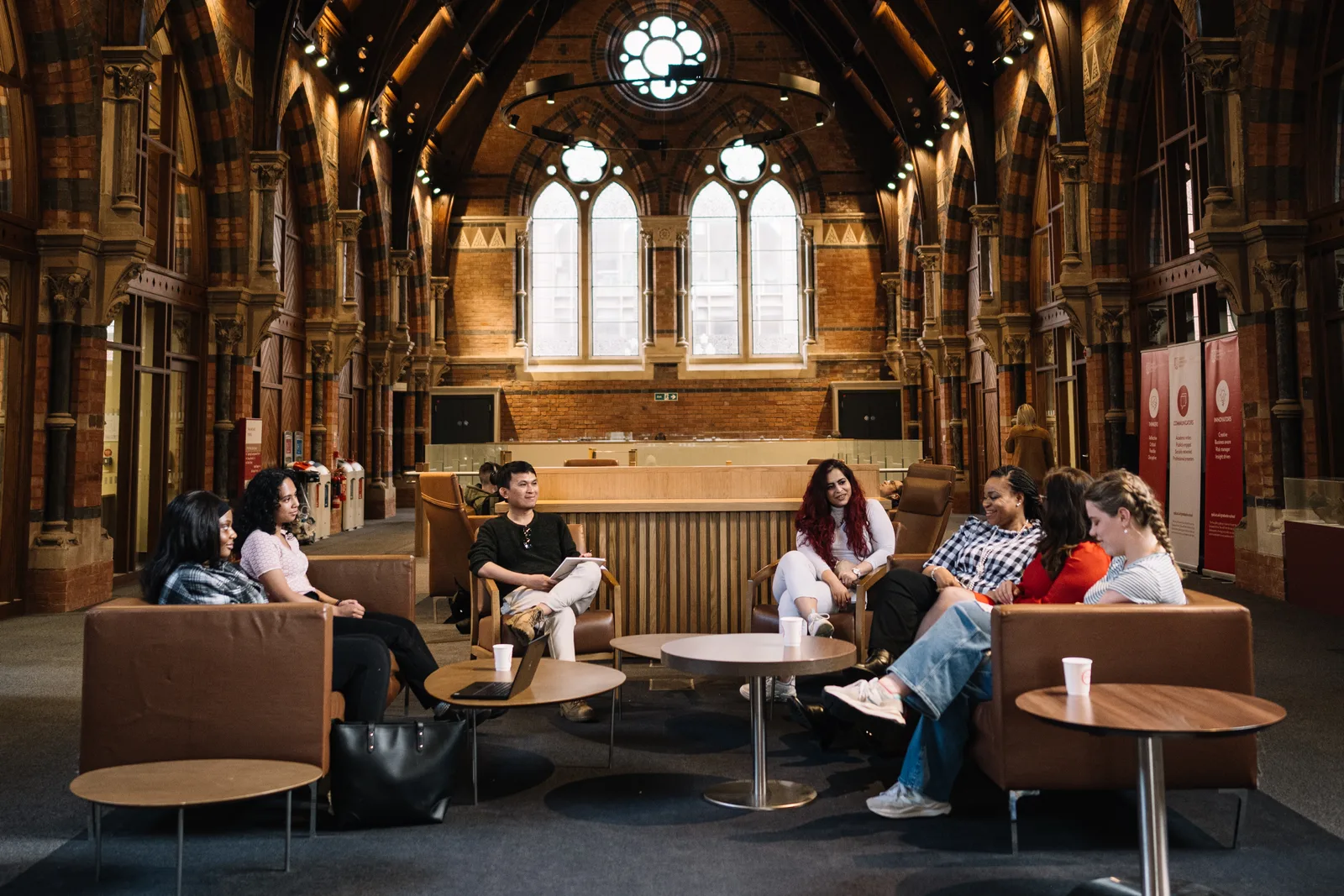
Students talking together on sofas in a vaulted Victorian brick hall

NI-ADAPT is explicitly student-centred, with Student Voice embedded in programme design, governance and delivery. A dedicated Student Voice Committee, chaired by a student and comprising elected representatives from each cohort and institution, including at least one representative from a collaborative studentship, will provide the programme’s formal mechanism for student representation. It will feed into relevant Operational Committees, ensuring that student perspectives shape training structures, supervision expectations, wellbeing support and programme culture. Feedback gathered through induction, surveys, annual progress reviews and reflective placement reports will also inform improvements to training, placements and cohort support.

The student-led summer conference. Each summer, students will organise and run a conference bringing together students, supervisors, industry partners, patient groups and alumni to share research, build connections and give feedback on the programme. Organising the conference will develop leadership and project management skills. It will also incorporate a summer school for undergraduates from under-represented groups, giving students an opportunity to inspire the next generation of researchers. Students will further contribute to the NI-ADAPT community through the alumni network.

Living and Studying at QUB or Ulster

Please find links below that provide additional detail about what it is like to live and study at NI-ADAPT host institutions Queen’s University Belfast and Ulster University

International Students

Travel

As NI-ADAPT is jointly delivered between QUB and UU, students will be expected to travel between university campuses to participate in scheduled cohort training and programme activities.

Translink provides discounted travel for students see details below

Belfast City Hall and the city centre at sunset, with the Harland and Wolff cranes and Belfast Lough beyond

Flexible Fund

The fund will be overseen by the EDI/Wellbeing Committee, with input from the Student Voice Committee. Guidance will be provided at induction, hosted online, and reviewed annually. Applications will be accepted on a rolling basis and reviewed monthly, with the exception of the transition fund, which will be reviewed biannually. All applications will be assessed against criteria of: additionality, equity, relevance and value for money.

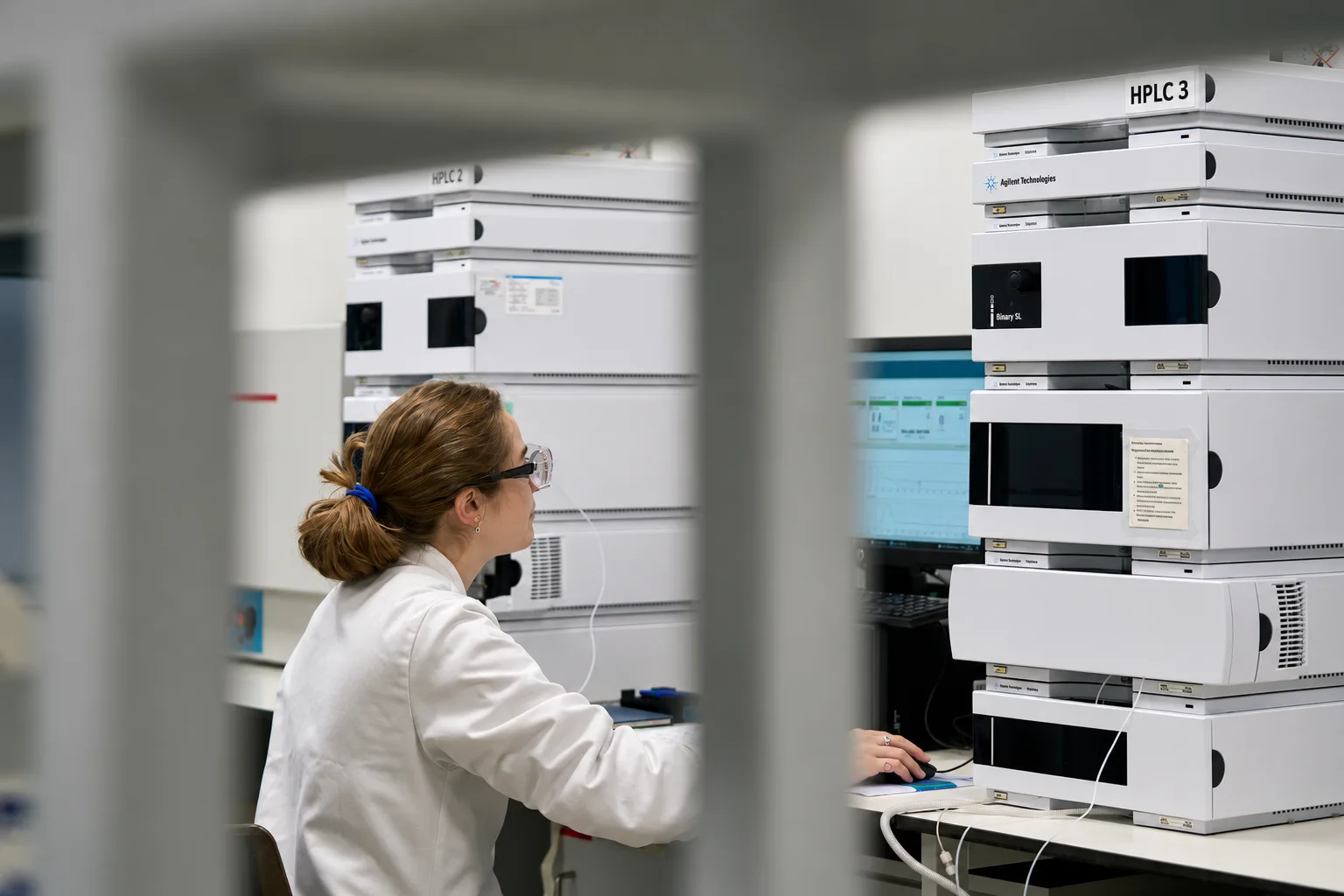
Researcher in safety glasses working at HPLC instruments in a laboratory

High-Cost Training

Where a student’s project requires specialist training that cannot be supported through their training budget, the Flexible Fund may be used to cover the cost. Eligible activities may include advanced imaging, in vivo approaches, and access to national research facilities. Support will only be provided where training is project-critical and linked to student development.

Transition fund applications

Applications to the transition fund will be assessed biannually and will not extend studentships except where permitted to offset placement (or equivalent) activities.

Competitive Transition Fellowships will be available to students post-thesis submission and pre-graduation to strengthen their competitiveness for next-stage roles.

Allied careers transition fund will support transitions into allied careers (e.g. technology transfer, patent law, medical science liaison, scientific communication, regulatory or policy roles).

Please note, the fund cannot be used for the following

  • To provide funding for standard experimental costs such as consumables or equipment, or to supplement stipend.
  • To provide funding for conference attendance. These costs should be drawn from students’ travel allowance.